Who File ISF For Other Apparel Machines
Do you ever wonder who’s responsible for filing the Importer Security Filing (ISF) for other apparel machines? You’re not alone! The world of international shipping can be as puzzling as trying to understand your cat’s intricate purring language. Let’s break this down and make sense of the sea of regulations surrounding apparel machines.

What is an Importer Security Filing (ISF)?
Let’s kick things off with a brief explanation of what ISF is. Think of it as a bouncer at a club: it ensures that only the right ‘guests’ get into the United States without causing a ruckus. The ISF is a required document that importers must file with U.S. Customs and Border Protection (CBP) before goods reach the U.S. shoreline.
Why is ISF Important?
Imagine throwing a wild party but not knowing who’s coming. You might end up with a few unexpected guests — maybe a Porta-Potty salesman who just won’t leave! The ISF helps prevent contraband and potential risks from entering the country. By providing specifics about the cargo, it helps customs officials assess risks before the goods arrive.
What Makes Apparel Machines Different?
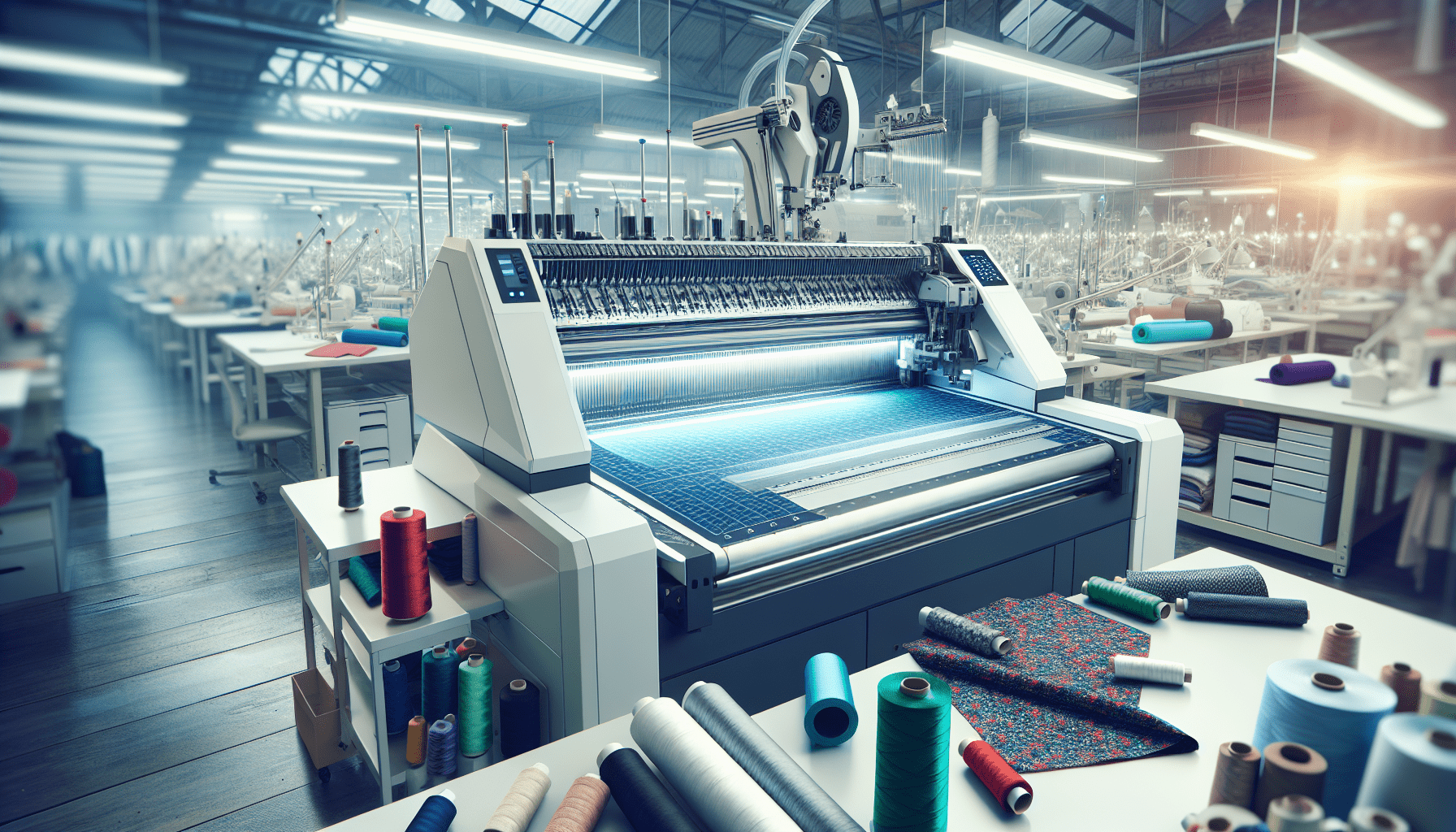
When we talk about ‘apparel machines,’ you may think of your grandma’s old sewing machine that she claims can do anything but make coffee. But in the shipping world, apparel machines are machines used to produce, sew, and treat clothing. The nuances in machinery and parts could require different considerations from standard imports.
Who is Responsible for Filing the ISF?
Now that we have a basic grasp of ISF, let’s get down to business. More specifically, let’s talk about who is responsible for filing ISF when it comes to these intricate machines.
The Importer
Typically, the importer is the individual or business who’s bringing those fashionable sewing machines into the U.S. The importer is responsible for filing the ISF, ensuring that the information given is accurate and comprehensive. After all, you don’t want an inaccurate declaration messing with your shipment, right?
Customs Broker
Think of a customs broker as that friend who always knows the right people — they’re like social butterflies but for international trade. A customs broker can file the ISF on behalf of the importer. If you choose to go this route, make sure your broker is reputable and understands the intricacies of machinery imports.
Freight Forwarders
Freight forwarders are like travel agents for your cargo. They’ll handle everything from booking the shipment to making sure all documents are in order. Some freight forwarders also offer ISF filing services, but check their credentials and expertise in apparel machinery!
Key Information Required for ISF Filing
Let’s get into the nitty-gritty! What does the ISF need? Put on your cozy pants because this is a bit of a list.
Basic Details
- Manufacturer Name and Address: Who built your fabulous machine?
- Seller Name and Address: Who sold it to you? You know, besides that charming online advertisement.
- Buyer Name and Address: That’s you! The proud new owner of an apparel machine.
- Importer’s Name and Address: If you’re different from the buyer, we need this too!
- Country of Origin: Where’s it coming from? Think of it like the birthplace of your machine.
- Description of Goods: A clear description (let’s say you’d want to specify ‘high-tech sewing machine’ instead of just ‘stuff’).
- HTS Code: The Harmonized Tariff Schedule code that classifies your goods.
Additional Details for Apparel Machines
Not all information is created equal. For apparel machines, these are especially crucial:
- Component Parts: If your machine comes with additional parts, include those. Imagine your sewing machine arrives without the pedal — chaos, I tell you!
- Functionality and Features: Highlight its special features. Is it self-threading? Does it speak five languages? You want customs to know what they’re dealing with!
Common Mistakes to Avoid When Filing ISF
Even seasoned ship captains hit icebergs from time to time. Here’s how you can avoid crashing your ISF filing into one.
Inaccurate Information
Something as simple as misspelling a name or incorrectly entering an HTS code can lead to delays. If you think a typo is nothing, remind yourself how the world of customs loves precision more than a cat loves laser pointers.
Missing Deadlines
Failing to file the ISF at least 24 hours before the cargo is loaded onto the ship could lead to fines or delays. The timeline may feel tighter than your favorite pair of jeans after the holidays, but staying on it is vital.
Ignoring Changes
If the shipment’s details change after filing, notify customs immediately. Picture this: you file ISF for a sewing machine, and then you decide to add some embroidery equipment. Ignoring that change could lead to more confusion than a dog in a cat show.
The Cost of Not Filing ISF Properly
Let’s talk money, shall we? Because there’s nothing more enlightening than the harsh reality of financial repercussions.
Fines and Penalties
If an ISF is not filed accurately or on time, CBP isn’t afraid to issue fines. These can range from $5,000 to $10,000 per violation, depending on the severity. That’s not pocket change; more like the price of a dreamy vacation!
Delayed Shipments
Imagine your fantastic apparel machine is sitting in customs because of a missing or inaccurate ISF. Delays can lead to lost sales and unhappy customers. The only drama you want in your life is the one depicted in “The Real Housewives,” not with your shipments!
Tips for Streamlining the ISF Filing Process
Who wouldn’t want to be the Michael Jordan of ISF filing? Here’s how to take your game to the next level.
Gather Information Early
Before you even kickstart the shipping process, gather all necessary information. Create a checklist that includes every detail required for the ISF. Let’s be honest, making lists is the adult version of doodling!
Work with Experienced Professionals
Hire customs brokers or freight forwarders who know the ins and outs of filing ISF for apparel machines. Experienced partners can save you time, money, and a world of headache!
Review Before Filing
Before clicking ‘send’ on your ISF, take a moment to review everything. Think of it as a last-minute inspection before unveiling your home to guests — you want to ensure everything is in tip-top shape!
What Happens After Filing?
Now that you’ve filled everything out, what’s next? Sit back and grab a snack; you’re not completely off the hook yet.
Wait for Confirmation
Once you file your ISF, you’ll receive a confirmation from CBP. It’s like getting a text from a friend confirming your dinner plans — you need that assurance.
Monitor Shipment
Keep an eye on your shipment as it progresses. Always know where it is, just like you try to keep tabs on your cat’s whereabouts during a family gathering (important things!).
Conclusion
Navigating the complexities of the ISF filing for apparel machines can feel like unraveling a tightly-knotted ball of yarn. But with the right information, professional partners, and perhaps a dash of humor, you can smoothly handle the process.
Final Tips
- Enjoy the Ride: Remember that shipping doesn’t have to be as stressful as trying to assemble IKEA furniture without instructions.
- Learn from Mistakes: If something goes awry, treat it as a learning opportunity. Just don’t let your next lecture come with a fine.
- Stay Informed: Customs regulations can change quicker than your favorite celebrities change their hairstyles. Stay updated to avoid any hiccups!
By keeping everything organized, well-documented, and embracing a bit of humor through the process, you’ll not only survive the ISF filing labyrinth but thrive in it. So, who files ISF for your other apparel machines? With this knowledge in your back pocket, you’re practically the ISF guru now!