How And When To File ISF For Axial Flow Fans
What’s the deal with filing ISF for axial flow fans? Do you ever find yourself wondering if it’s something that needs your immediate attention or if it can wait until the universe aligns perfectly? You’re not alone! Let’s clear the air (and the confusion) about how and when to file your Importer Security Filing (ISF) for those trusty axial flow fans you’ve been eyeing.
Understanding ISF and Its Importance
You may be asking yourself, “What in the world is ISF?” ISF stands for Importer Security Filing, and it’s a critical part of importing goods into the United States. Think of it as a TSA for your products—making sure everything is safe and sound before it even touches U.S. soil. You’ll need to file your ISF with U.S. Customs and Border Protection (CBP) when importing goods via ocean freight. If you’re bringing in those sleek axial flow fans, ignoring the ISF is kind of like forgetting to put on pants before heading out—it’s just not a good idea!
Why Bother with the ISF?
Now, you might be tempted to just wing it and hope for the best. But here’s the catch: failing to file your ISF properly could result in delays, fines, or worse—your precious fans could be stuck at customs! Imagine the horror of watching your fans sit idly on a dock while summer sweats you out. You wouldn’t want to face the wrath of uncomfortable heat, would you?
What Are Axial Flow Fans, Anyway?
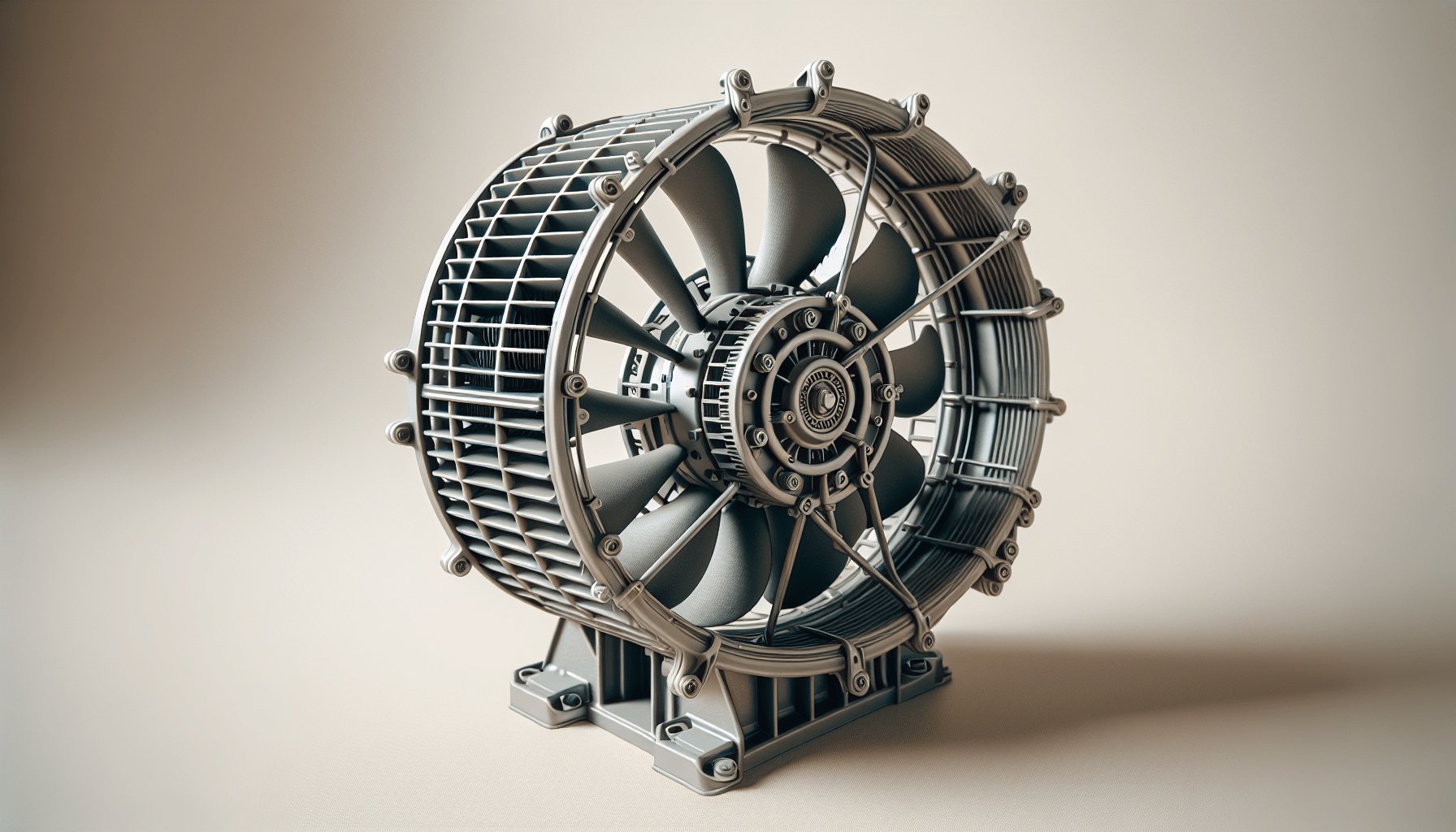
You’re probably familiar with axial flow fans—they’re the cool kids of the ventilation world! These fans use blades that rotate around an axis to create airflow. Perfect for moving large volumes of air, they’re commonly used in various applications, including industrial processes, engine cooling, and even your favorite HVAC systems. Understanding what they do can help you realize why they’re worth the ISF hassle.
Features of Axial Flow Fans
Here’s a breakdown of what makes these fans stand out:
| Feature | Details |
|---|---|
| Airflow Direction | Moves air parallel to the fan axis |
| Efficiency | Good for high-volume, low-pressure applications |
| Size Variety | Comes in various sizes to fit your needs |
| Applications | HVAC, industrial, cooling purposes |
If axial flow fans were humans, they’d be the ones who never get tired of talking about themselves. They have the airflow qualities to keep things running smoothly!

When to File Your ISF for Axial Flow Fans
Now that you’re feeling all warm and fuzzy about axial flow fans, let’s talk timing. You’re probably wondering, “When do I need to file my ISF?” You need to have your ducks in a row and file your ISF to CBP at least 24 hours before your cargo is loaded onto a vessel. Yes, it’s 24 hours, not 23 or maybe if you sneeze and feel lucky.
The 24-Hour Rule
This 24-hour timeframe allows CBP to assess the risk associated with your shipment. Failing to adhere to this timeline could lead to unwanted surprises:
| Consequence | Description |
|---|---|
| Fines | You could be looking at some serious bucks taken out of your wallet. |
| Delays | Your fans could get stuck longer than a cat in a tree. |
| Possible Seizures | Worst-case scenario: your shipments could face an identity crisis. |
So, do yourself a solid, and file that ISF on time. It’s a small price to pay to avoid the big headaches down the line!
How to Prepare Your ISF Filing
Feeling like a pro yet? Before you start typing up that ISF application, let’s get you prepped with everything you need to make your filing as smooth as a whispering breeze.
Information Required for Filing
Here’s a handy list of information you’ll need to gather—think of it as your checklist to avoid chaos:
| Required Information | Details |
|---|---|
| Importer Name | Yep, that’s you! |
| Consignee Name | The person or organization to whom the goods are being delivered. No, you can’t use “Your Favorite Pizza Place.” |
| Manufacturer Name and Address | Where are these nifty fans coming from? |
| Country of Origin | Seriously, get the passport details for your fans. |
| Description of Goods | Be as detailed as you can so they know you’re not smuggling in inflatable flamingos instead. |
| Harmonized Tariff Number | No, it’s not a music band; it’s a classification that helps the government know what tax you’ll pay. |
| Booking Number | This is the number for your shipping booking. Treat it like your golden ticket! |
Trust me, no one enjoys an awkward phone call during customs clearance because you forgot half of these.
Filing Options to Consider
You now have all the info needed and might be itching to file. But wait, how do you plan on submitting the ISF? You have a few options, and you can pick whichever works best for your organizational style (or lack thereof)!
Using a Freight Forwarder
Freight forwarders are like the fairy godmothers of the importing world. They have experience in filing your ISF and can be a lifesaver, especially if you’ve got a million things running through your mind. Here are the benefits:
- Expertise: They know the ropes and can help you avoid rookie mistakes.
- Time-Saving: They’ll take care of the paperwork while you kick back and enjoy a cup of coffee (or something stronger).
- Full Service: Need help with shipping too? They’ve got you covered.
Filing It Yourself
If you’re feeling like a self-sufficient superhero, you might consider filing the ISF yourself. Just keep in mind that this path requires some diligence and a solid attention span. Here’s what you should know if going solo:
- Access Online System: You’ll need to register with the CBP systems to file electronically.
- Stay Organized: Keep all your required documents, and have them at your fingertips like a chef has their favorite spices.
- Double-Check: This isn’t a game of “who can type the fastest.” Take your time, review your info, and ensure that everything’s correct.
Common Mistakes in ISF Filing
Even seasoned professionals stumble, and you might, too. Mistakes in ISF filing can lead to all kinds of funny business—from fines to delays. Here are some common boo-boos you’ll want to avoid:
| Mistake | Solution |
|---|---|
| Incorrect Harmonized Code | Research the correct code and triple-check! |
| Missing Information | Use the checklist we provided earlier, and just make sure you’re organized. |
| Failing to Submit on Time | Set reminders or alarms so you don’t forget that 24-hour rule! |
| Incorrect Importer/Consignee Names | Typos happen—get a buddy to look it over. |
What Happens After Filing Your ISF?
So, you’ve filed it, and now you’re waiting. Ruffling your feathers in anticipation? Here’s what you can expect:
CBP Review
The customs gods will review your ISF—but don’t worry, they don’t have a harsh judging panel like those reality shows. Instead, they’ll determine if your shipment is high risk or not.
- High Risk: Probing questions and possibly additional documentation will be needed, just like your aunt probing you about your relationship status during holiday dinners.
- Low Risk: You’re smooth sailing, and your axial flow fans are on their way!
Cargo Movement
Once cleared, the cargo can proceed to shipping, and your axial flow fans will be dancing their way across the ocean. That’s as close as they’ll ever get to water skiing—though they’ll probably prefer a comfy breeze above water instead!
Conclusion: To ISF or Not to ISF
At the end of the day, the question of when and how to file ISF for axial flow fans circles back to this: It’s essential, and you need to take it seriously. So, remember to file it correctly and on time to avoid any potential customs drama. Your axial flow fans will be grateful, and while they can’t high-five you, we can safely assume they’ll appreciate the fresh air they’ll soon be circulating!
So now it’s time for you to become an ISF filing champion with an impressive side of axial flow fans. You’ve got this! And hey, who knew filing could come with such fanfare? Oh, the puns are never-ending!