Why Should I File ISF For Ear Wax Removal
Have you ever wondered why earwax removal is treated with the same seriousness as filing your taxes? You’re not alone! While it might sound bizarre, there’s a good reason why the reality of cleaning your ears can feel similar to managing important paperwork. You might be asking yourself: “Should I really file an Importer Security Filing (ISF) for this?” Fear not! No, you don’t need to haul out your tax documents or invoke the IRS to deal with waxy ears, but let’s explore this peculiar intersection of ear hygiene and bureaucratic jargon.
The Basics of Ear Wax
Ear wax, also known as cerumen, is your ear’s best friend that sometimes becomes a not-so-great houseguest. It’s a mixture of secretions from glands in your ear canal, along with dead skin cells and dirt. Your body produces it for a reason—it keeps your ears lubricated, prevents bacteria from throwing a wild party, and helps protect the delicate ear canal.
Why Does Ear Wax Matter?
While ear wax serves a purpose, things can go awry when it accumulates like that one dish you forgot to wash (you know the one). Too much wax can lead to blockages, infections, and a dramatic drop in your ability to hear. Hence, your ears could probably benefit from an occasional clean-up. So before this wax becomes a problem, how do you approach ear cleanliness without filing for bankruptcy—or an ISF?
What Is an ISF?
Now let’s literally untangle this ISF mess. An Importer Security Filing (ISF) doesn’t concern your ears directly—unless you’re importing giant cotton swabs or possibly an ear-cleaning robot. Mandatory for companies shipping goods into the U.S. from overseas, this forms part of the broader customs process. While the ISF is vital for shipping security, it’s as far from ear wax removal as you can get. However, when we apply this to your ear, let’s face it: prioritizing health and cleanliness is a must.
How This Relates to You
You might be thinking, “What does filing an ISF have to do with my ear wax?” Nothing! But just as you would want accountability in shipping perishable goods across borders, you want to hold your health accountable by ensuring your ears are clean and wax-free. Whether you prefer professional assistance or a trusty Q-tip, it’s all about keeping your ears free from troublesome wax.
The Significance of Ear Wax Removal
Imagine your ears are like a finely-tuned musical instrument. If the sound becomes muffled, your ears might be sending you a signal. Neglecting ear wax removal is like ignoring that out-of-tune guitar gathering dust in your closet—it’s just not going to sound great.
Common Myths About Ear Wax Removal
Let’s address the elephant in the room—or should I say, the wax in the ear? Buckle up as we debunk some earwax myths:
| Myth | Reality |
|---|---|
| You should use cotton swabs to remove it | Cotton swabs can push wax further in! |
| Earwax is gross and means you’re dirty | It’s natural and beneficial in small amounts! |
| You can remove it all by yourself | Sometimes, a professional touch is needed! |
Knowing what’s fact and what’s fiction will help you make informed choices about your ear maintenance. So, don’t be a DIY enthusiast when it comes to risky procedures—your ears might not appreciate the effort.

Signs You Might Need Ear Wax Removal
Now, when should you consider removing that wax? Just like you wouldn’t ignore a ceiling leak during a storm, you shouldn’t ignore your ear’s warning signs, either. Here are a few indicators that your wax might be throwing a wild party:
Hearing Loss or Muffled Sound
If conversations start to sound like your friends are muttering from the other room, it’s time to check in with an ear professional. A wax build-up can muffle sounds in the same way that putting a pillow over a speaker will dampen your favorite tunes.
Earache or Discomfort
Feeling pain? Your ears could be signaling distress due to excessive wax. Just remember, if you’ve ever tried to remove stubborn glue from your fingers, you’ll appreciate that some things are better left to the pros.
Tinnitus
The ringing in your ears might not be a sign of an impending rock concert. It could be an indication of wax in your ears. If you suddenly find yourself having a personal concert with no one else in attendance, consider a wax removal session.
Methods of Ear Wax Removal
Alright, this is where things get interesting. The process for managing wax build-up can range from simple DIY home methods to more involved procedures at a clinic. Let’s break down your options like they’re candy—because who doesn’t love a good treat?
At-Home Remedies
-
Use Over-the-Counter Drops
Think of them as your ears’ version of mouthwash. These drops can soften the wax. Just follow the instructions and prepare for the onslaught of flute-like sounds that follow! -
Warm Oil
Not only does warm oil make great popcorn, but a few drops in your ear can help soften that stubborn wax. Olive oil or mineral oil works wonders when heated. Just make sure it’s not like “hot lava” temperature—you don’t want a volcanic experience! -
Saline Solution
Mix salt with warm water, tilt your head to one side, and let it do its magic. Give it a moment; think of yourself as a sideways fountain. Voilà!
Professional Removal
When DIY wax removal techniques don’t cut it, or if you’re worried that your attempts are more comedy than finesse, call in the experts. Here’s how they usually roll in the clinic:
-
Ear Irrigation
Sounds fancy, right? It involves using a syringe-like device to squirt warm water into your ear canal, washing the wax out like you’d wash away dirt after gardening. Just make sure the operator is gentle; you’re seeing a professional, not a rodeo clown. -
Manual Removal
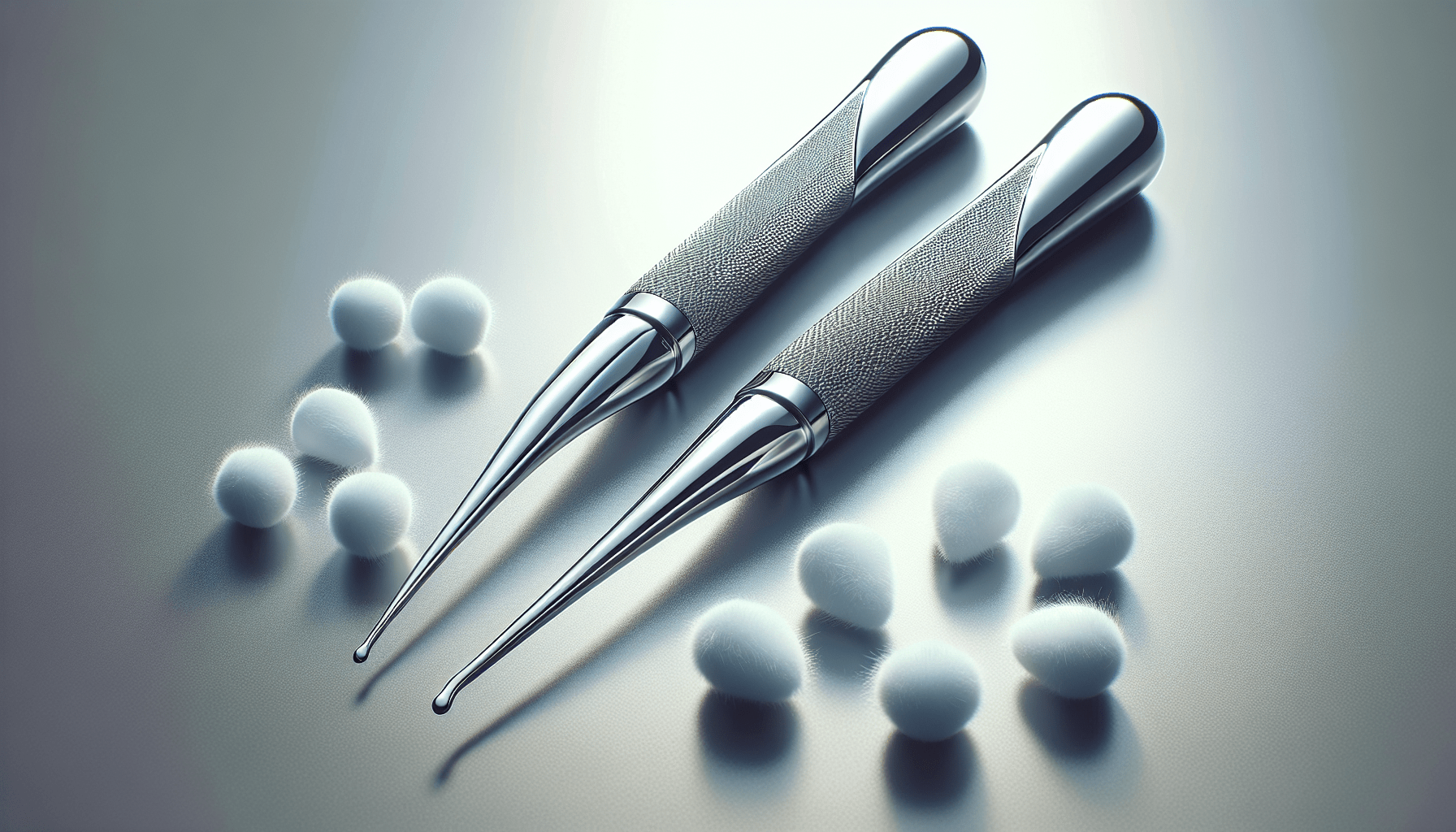
Doctors may wield specialized tools that resemble medieval torture devices, but fear not! They’re carefully designed to remove wax, not turn you into a medieval peasant. Expect a vacuum or a suction-based tool that draws your earwax to freedom. -
Microsuction
If your doctor is feeling high-tech, they might opt for microsuction, which lets them safely remove wax with a mini vacuum. No mess, less stress—this is the vacuum cleaner you never knew you needed.
Aftercare Tips
Now that you’ve rid yourself of wax (congratulations!), you’ll want to take care of those ears to ensure they don’t hoard again anytime soon. Here’s how you can maintain ear hygiene like a pro:
Regular Cleaning
Just as you wouldn’t wear the same socks for a week (we hope!), give your ears the same loving care. Regularly wipe outer parts gently with a damp cloth. Avoid digging deep unless you fancy a trip to your ear doctor.
Avoid Cotton Swabs
Yes, the same swabs that gave you the illusion of clean ears are actually a trap. They can push wax further in rather than removing it. Your ear canal isn’t a boxing ring—avoid smacking it around, please!
Stay Hydrated
Drink enough water to keep your tissues healthy and decrease the chances of earwax becoming overly hard. It’s a waxy world; stay quenched!
Conclusion: The ISF and Your Ears
Ultimately, filing an ISF is about the logistics of trade and supply security, while ear wax removal is all about your health. So while you won’t have to fill out cumbersome forms for ear maintenance, you do need to ensure your ears are cared for.
By keeping a routine of ear hygiene practices and being aware of the signs that indicate you need wax removal, you can be the hero of your own ear saga. Just remember, you might not need to file an ISF, but present your ears with some much-needed TLC. After all, clean ears make for clearer listening—and fewer awkward moments at parties when you ask, “What did you say?”