How To File ISF For Grain Product Making Machines
Have you ever wondered about the process involved in filing an Importer Security Filing (ISF) for grain product making machines? It’s a critical but often overlooked aspect of importing machinery into the United States. This article will guide you through the ins and outs of the ISF for grain product making machines, ensuring you have all the information you need to tackle this process with confidence.

Understanding Importer Security Filing (ISF)
When you’re bringing goods into the United States, the government requires specific information to enhance security and streamline customs processes. This is where the ISF comes in. Also known as the “10+2” rule, the ISF requires importers to provide the Customs and Border Protection (CBP) agency with advance cargo information before the arrival of the goods.
Why ISF Matters for Grain Product Making Machines
Filing an ISF isn’t just a bureaucratic hurdle; it’s essential for compliance with U.S. customs regulations. For grain product making machines, which can range from millers to grinders and everything in between, failure to file an ISF correctly can lead to penalties, delays, and increased scrutiny of your shipment. Understanding the importance of this filing will set you on the right path for smooth importation.
Key Components of the ISF
The ISF requires specific data elements, and you must ensure you gather all necessary information. Failing to do so can result in fees and delays. Let’s break down these components:
1. Importer of Record
This is the entity or individual who is responsible for the imported goods. You’re essentially the key player here. Ensure that your business name and address are correctly listed, as any discrepancy can lead to complications.
2. Consignee Information
The consignee is the entity who will receive the goods. You must ensure that their name and address match what’s on file with CBP. This detail not only helps with delivery but also ensures compliance with regulations.
3. Manufacturer Name and Address
If you’re importing grain product making machines, you’ll need to provide the manufacturer’s name and address. This information is critical because it helps CBP assess the type of machinery being imported and evaluate any potential tariffs or regulations that may apply.
4. Country of Origin
You must identify where the machines are manufactured. This country of origin can affect tariffs and trade regulations, so accuracy here is crucial.
5. Commodity Harmonized Tariff Schedule (HTS) Number
Each product has its own HTS number that classifies it for customs purposes. For grain product making machines, you’ll need to determine which HTS number corresponds to the equipment you’re importing. This classification impacts duties and taxes, so don’t skip this step.
| HTS Number | Description |
|---|---|
| 8437.80 | Machinery for fruit or vegetable processing |
| 8433.59 | Other machinery for food or drink |
| 8419.89 | Other machines for grain handling |
6. Container Information
If your machines are being shipped in containers, you’ll need to provide certain details about those containers. This includes container numbers, which help expedite the processing of your shipment.
7. Bill of Lading Number
Your bill of lading serves as a receipt and contract between you and the carrier. Providing this number allows CBP to track your shipment easily.
8. Estimated Arrival Date
Finally, you’ll need to provide an estimated arrival date for your shipment. This date assists CBP in managing its workload and helps ensure your cargo is processed promptly.
Preparing to File Your ISF
Now that you know what information is needed for your ISF, it’s time to get ready to file it. Preparation is crucial for avoiding mistakes that could lead to delays.
Verifying Information Accuracy
Before submitting anything, verify that all information is correct. Double-check your business details, consignees, and manufacturing facts. If you have in-house professionals, consider having them cross-reference information. An error at this stage can cause significant headaches later on.
Choosing the Right Filing Method
You have a couple of options for filing your ISF. You can do it yourself through an online portal, or you can work with a customs broker. If you’re new to importing, enlisting the help of a broker could save you time and prevent costly mistakes.
The Filing Process
Once you have all your information organized, you can proceed with the filing process. Let’s break this down into clear steps.
Step 1: Gather Your Documents
Ensure you have all relevant documents at your fingertips. This includes contracts, packing lists, and shipping information. A checklist can be handy here.
Step 2: Choose Your Filing Method
If you’re filing it yourself, visit the online platform provided by CBP. If you’re working with a customs broker, pass your gathered data and documents to them for submission.
Step 3: Complete the ISF Filing
Fill out the ISF template, ensuring each required field is filled correctly. If you’re using a customs broker, they will file the ISF on your behalf.
Step 4: Confirm Submission
Once you’ve filed the ISF, you should receive an acknowledgment from CBP. Keep this confirmation as it can serve as proof of your compliance.
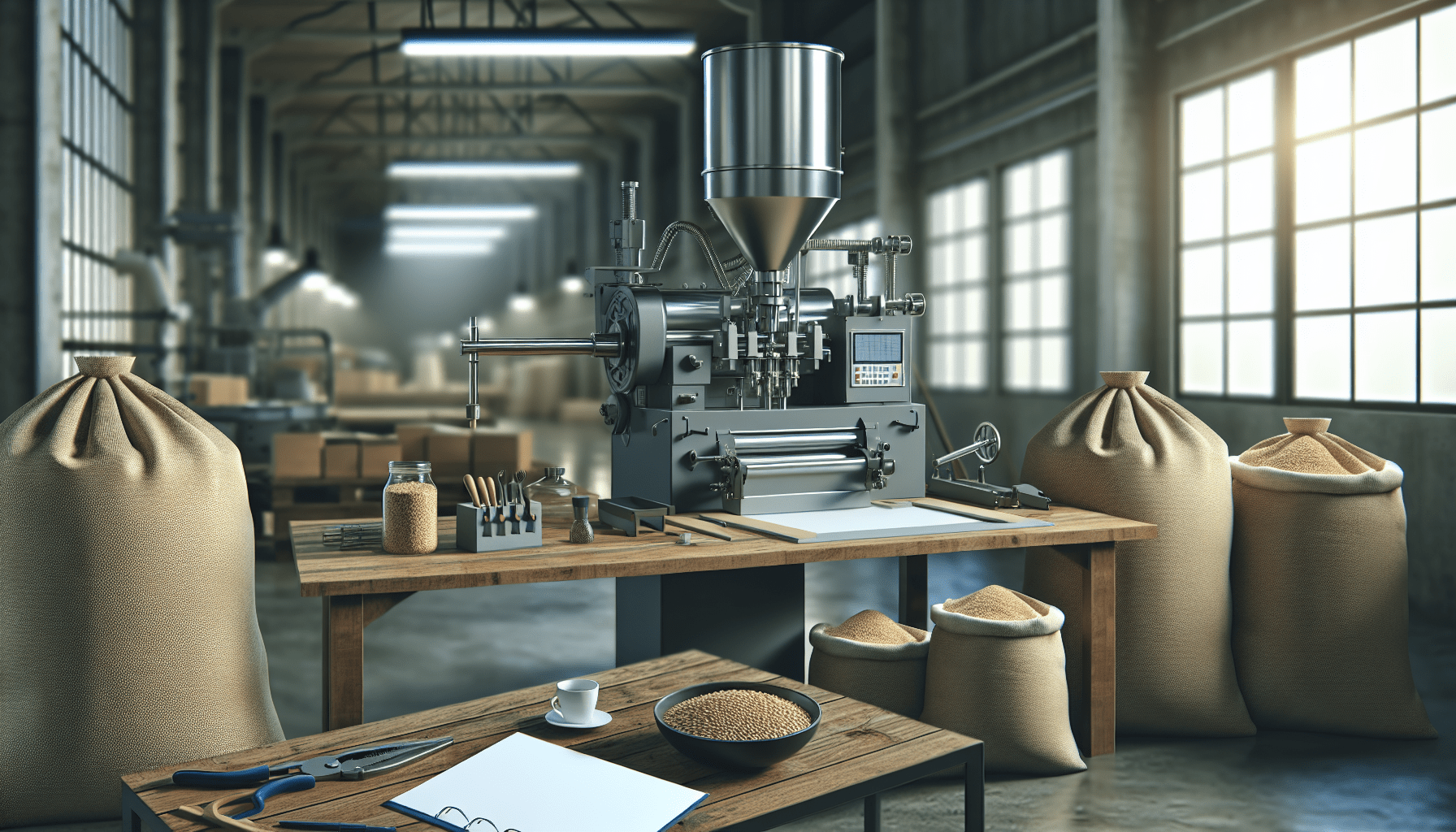
When to File the ISF
Filing your ISF is not a last-minute task. You must file it at least 24 hours before the cargo is loaded onto the vessel bound for the U.S. That means for grain product making machines typically transported via container ships, you’ll want to coordinate closely with your suppliers and carriers to meet this timeline.
Consequences of Non-Compliance
Ignoring the ISF regulations can lead to serious repercussions. You could face monetary penalties, and your cargo could be delayed or even rejected. In extreme cases, repeat offenders could find themselves flagged for further inspections, which increases costs and time.
Penalties Overview
Here’s a quick look at potential penalties for non-compliance:
| Violation | Potential Penalty |
|---|---|
| Failure to file an ISF | Up to $5,000 per violation |
| Incorrect information on ISF | Up to $5,000 per violation |
| Late filing | Up to $5,000 per violation |
Tips for Smooth ISF Submission
You might be feeling overwhelmed at this point, but don’t worry! Here are a few tips to make the process smoother:
Keep Documentation Organized
Having your documents and information organized will make the filing process much easier. Use folders and digital tools to keep everything in one place.
Communicate with Suppliers
It’s vital to stay connected with your suppliers. Make sure they understand the importance of the ISF and that they provide you with accurate manufacturing and shipping details.
Use Technology
Consider investing in software that can streamline your filing process. Many logistics and customs compliance tools can help automate aspects of ISF submissions.
Knowledge About Grain Product Making Machines
Understanding the specific machinery you’re importing can provide additional context in your ISF. Let’s briefly outline some typical grain product making machines and their functions.
Types of Grain Product Making Machines
- Mills: These machines grind grain into flour or meal and are essential in the food production industry.
- Grinders: Used to process grains into smaller particles, grinders play a key role in creating feed or flour of varying consistencies.
- Mixers: Often part of the grain processing line, mixers blend ingredients to create consistent products.
- Packagers: These machines help package the finished grain products into bags or containers for sale.
After Filing the ISF
Once the ISF is filed, you may experience a sigh of relief, but your responsibilities aren’t over yet. Keep an eye on your shipment and stay informed about its progress.
Tracking Your Shipment
Tracking tools are invaluable when importing machinery. Most shipping companies provide tracking services, and this can help you stay updated on your cargo’s status.
Be Prepared for Customs Inspections
Sometimes shipments are selected for customs inspections, which can lead to delays. Be prepared by having all documentation accessible and ensuring that your suppliers have followed the correct procedures.
Future of ISF Regulations
The landscape of import regulations is ever-evolving. Keeping yourself updated on changes to the ISF requirements can save you headaches down the line. Regulatory adjustments could impact how you file or modify the necessary data.
Staying Informed
Stay connected with trade associations and industry news to get updates on ISF regulations, as well as changes concerning grain product making machines. Online forums can also provide insights from other importers.
Conclusion
Navigating the waters of filing an ISF for grain product making machines may seem daunting, but with the right information and preparation, you can maneuver through this essential process smoothly. Always ensure accuracy in your filings, keep your documentation organized, and maintain communication with your suppliers. By doing so, you’ll minimize delays and remain compliant with U.S. customs regulations. As long as you’re diligent and proactive, your import experience will be far more manageable.