Do I Have To File ISF For Sock Knitting Machine Parts
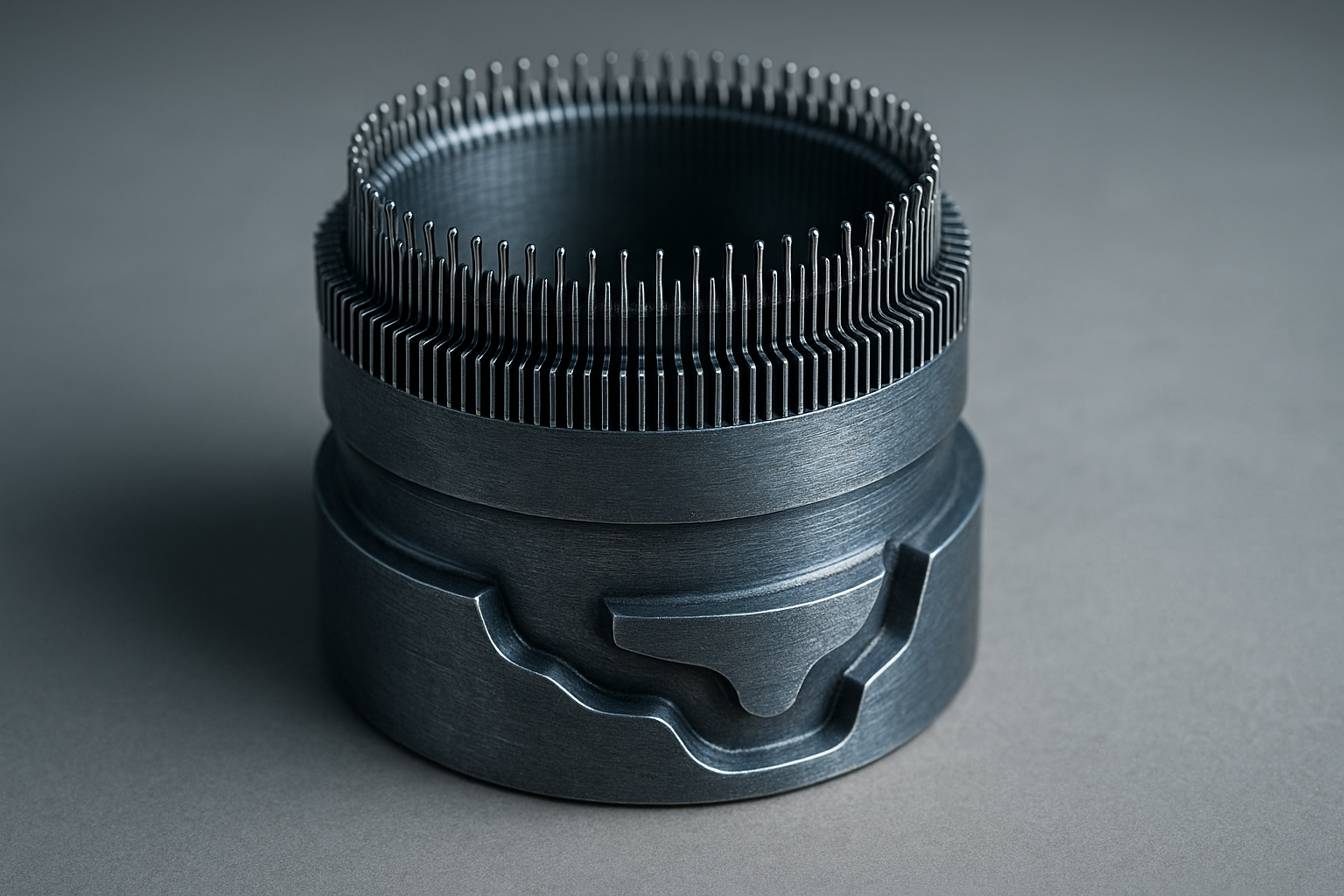
Do I Have To File ISF For Sock Knitting Machine Parts
Quick answer (in plain, slightly cheeky language)
You probably do. If you’re importing sock knitting machine parts into the U.S. by ocean freight, you — as the importer of record — are usually required to file an Importer Security Filing (ISF) at least 24 hours before the cargo is loaded onto the vessel at the foreign port. The U.S. Customs and Border Protection (CBP) takes ISF seriously, and you don’t want your parts stuck in customs while your knitting line produces nothing but air.
What ISF actually means for you
ISF stands for Importer Security Filing. Think of it as a pre-arrival checklist CBP wants so they can scan the future in advance and decide if your shipment is a low-risk bundle of yarn and steel or something more suspicious. For parts of sock knitting machines, the import classification and whether the parts are separately dutiable or considered part of a whole may affect specifics, but the ISF requirement remains mainly about the inbound cargo manifest and security data.
Who is responsible and who can help
You — the importer of record — are legally responsible for the ISF. If you hire a customs broker, freight forwarder, or logistics partner, they can file on your behalf, but you must ensure they do it right and on time. If you operate out of California or have a presence there, you might work with an ISF Filer in California to handle the filing correctly.
What you need to file (the 10+2 data set)
You or your agent will need to provide CBP with required data elements, commonly known as the “10+2.” Those items include:
- Seller, buyer, and ship-to names and addresses
- Container stuffing location
- Consolidator name
- Importer of record number (or EIN)
- Consignee number (if different)
- Manufacturer name and address
- Country of origin
- Harmonized Tariff Schedule (HTS) number(s)
- Bill of Lading number
- Details on the goods (description, weight, etc.) Plus two additional data elements from the carrier side (vessel stow plan and container status messages).
Step-by-step process for a smooth ISF filing
- Identify the importer of record and confirm their EIN or IRS number.
- Gather manufacturer and seller details — actual physical addresses, not just P.O. boxes.
- Classify your parts with HTS codes; if you’re unsure, get an expert opinion to avoid misclassification.
- Confirm container stuffing location and consolidator info.
- Provide accurate Bill of Lading numbers and expected vessel sailing details.
- File ISF at least 24 hours before loading at foreign port; keep confirmations and timestamps.
- Monitor for any ISF notices or CBP requests and respond promptly.
Edge cases and special scenarios
- If parts are shipped by air or truck, ISF doesn’t apply — but other filings might.
- If parts are part of a complete machine classified differently on arrival, CBP may ask follow-up questions.
- If you’re splitting a container with other importers, confirm the consolidator or lead party files correctly so your product isn’t misattributed.
- If parts are on temporary import for repair or exhibition, you may still need an ISF — and you’ll need to document temporary admission paperwork separately.
Penalties and enforcement — don’t be that importer
Late ISF filings can result in liquidated damages (starting at thousands of dollars) and potential cargo delays or exams. Repeated failures can trigger stricter scrutiny. Filing correctly on time is much cheaper than being surprised by a penalty.
Compliance tips that actually help
- Use a trusted broker or freight forwarder and verify they file your ISF. If they say “we’ll handle it,” ask for the filing confirmation.
- Maintain an organized digital folder with EIN, HTS numbers, manufacturer addresses, and Bills of Lading so you can file quickly.
- Conduct a quick internal audit before the first shipment: are your manufacturer addresses complete? Do you have consistent HTS numbers?
- Consider running a mock ISF filing to surface any gaps in data early.
Practical scenario: parts coming from overseas
Imagine you ordered new circular knitting needles and cylinder parts from a factory in Taiwan. The factory consolidates shipments, and containers are stuffed at a nearby consolidation center. You must get the stuffing location, manufacturer’s exact address, and Bill of Lading early — the carrier won’t accept your ISF late. If you mess up the HTS, the duty amount might change, and CBP may flag the shipment.
Documentation checklist for each shipment
- Importer of record EIN
- Manufacturer name and physical address
- Seller and buyer names/addresses
- HTS numbers for each part description
- Bill of Lading number
- Container stuffing location
- Shipment weight and package counts Keep copies for at least five years to meet CBP audit requirements.
Final thoughts with a wink
If you think ISF stands for “I’m Sure Fine” — nope, CBP didn’t get that memo. You should file an ISF for sock knitting machine parts if they arrive by vessel. Get your paperwork in order, tag a reliable broker, and avoid the late-night panic of missed filings. Your knitting machine will thank you — if machines could be grateful, they’d purr like a very industrious cat.
Do I Have To File ISF For Sock Knitting Machine Parts
Short answer with personality
Yes, unless your shipment avoids the ocean entirely or fits a specific exemption. For typical ocean freight imports of machine parts, the ISF is required and must be in CBP’s hands before loading. Don’t rely on luck or knitted prayers.
Why the ISF exists and how it applies to your parts
CBP uses the ISF to evaluate cargo risk before it arrives. Components of sock knitting machines — gears, cylinders, needles, electronic modules — are generally considered goods requiring the ISF if they’re part of an ocean shipment. The ISF requirement focuses on securing transport data rather than technical classification, although classification affects duty and rulings.
Who should file and who can file for you
The importer of record files the ISF. If you prefer outsourcing, you can use brokers or carriers. If you operate on the West Coast or want a local touch, consider using an ISF Filing Services by ISF Filer to make sure someone is on the clock when your ship sails.
What data you must provide (brief recap)
Provide the 10+2 dataset: seller, buyer, manufacturer, ship-to, importer numbers, HTS codes, Bill of Lading, container stuffing location, and more. Accurate details reduce the chance of CBP holds.
Common mistakes that bite you later
- Using incomplete manufacturer addresses
- Missing EINs or incorrect importer numbers
- Late filings (less than 24 hours)
- Relying on the wrong HTS codes Avoid these and you’ll avoid headaches — and fines.
Example checklist for one shipment
- Confirm vessel name and sailing date
- Acquire Bill of Lading and container number
- Verify HTS codes per item
- Collect manufacturer name/address
- File ISF 24+ hours before loading
Edge-case tip: repaired or returned parts
If parts are returning after repair or are under Temporary Importation under Bond (TIB), you still may need to file ISF. Also track the documentation proving temporary status to prevent duty assessments.
Compliance best practices
Keep automated reminders for ISF deadlines, validate broker confirmations, and periodically audit filings to find mismatches between HTS, invoices, and packing lists.
Parting advice with a grin
Think of the ISF as a polite but firm customs bouncer. Treat it well, know the rules, and your parts will pass through like a VIP — without having to perform a sobriety test.
(Keyword included: ISF Filing Services by ISF Filer)
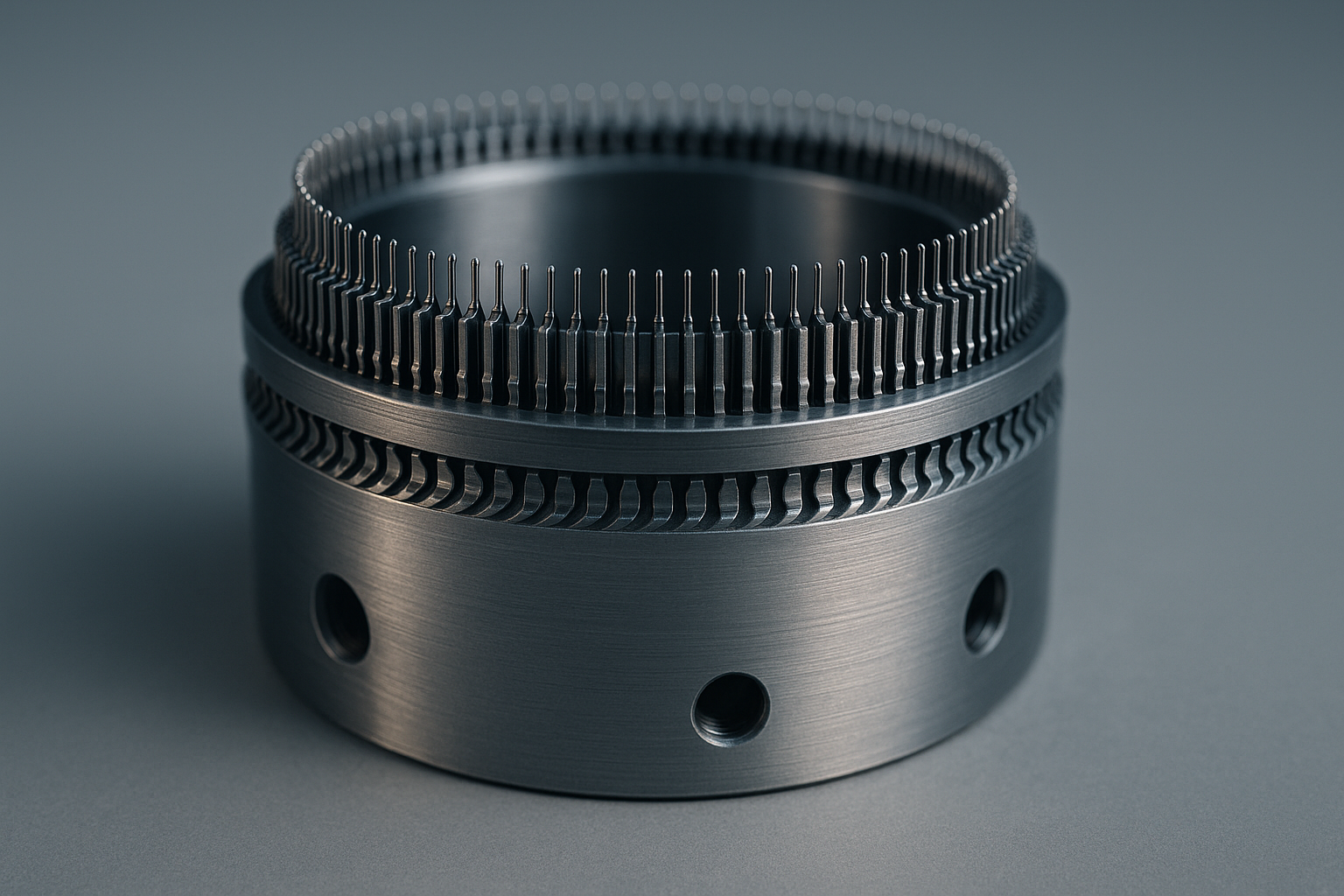
Do I Have To File ISF For Sock Knitting Machine Parts
Bare-bones summary
If your sock knitting machine parts arrive by sea, yes — file ISF. There are nuances, but that’s the short truth. Now let’s get into the fun, bureaucratic details.
How liability and penalties work
You, as the importer of record, are responsible. If you don’t file or file incorrectly, expect potential liquidated damages and slower cargo release. Repeat offenders risk higher scrutiny and more invasive exams.
Start-to-finish user journey — what you’ll actually do
- Pre-purchase: ask suppliers for precise manufacturer and address details.
- Pre-shipment: get Bill of Lading, container numbers, and stuffing location.
- 24+ hours before vessel loading: ensure ISF is filed.
- Shipment in transit: monitor status and container messages.
- Arrival: reconcile commercial invoice, HTS, and any CBP requests.
- Post-entry: retain documentation for audits and inquiries.
How to handle mixed loads and consolidations
If your parts are in a consolidated container, coordinate with the consolidator for stuffing location and master Bill of Lading details. Miscommunication here often causes the largest delays.
Edge-case: pieces sent in multiple containers on different vessels
File separate ISFs per Bill of Lading or per shipment as appropriate. Don’t try to squeeze multiple sailings into one filing; CBP will notice and you’ll wish you hadn’t.
Tech tip: using brokers and software
Many importers use bonded customs brokers and electronic filing platforms. A reliable broker with robust software reduces manual errors and provides filing confirmation receipts so you can sleep. If you want more robust support, look for providers branded as ISF Filer – Expert Customs Filing & Logistics Solutions to cover both filing and logistics.
Document retention and audits
Keep all ISF confirmations, commercial invoices, packing lists, and Bills of Lading for at least five years. CBP audits can come late and unexpectedly.
Wrapping up with humor and clarity
Filing the ISF isn’t glorious, but neither is being held up at port while your knitting equipment sits and sulks. Follow the process, double-check your data, and hire good partners if paperwork isn’t your idea of a good time.
Do I Have To File ISF For Sock Knitting Machine Parts
The direct, somewhat witty reply
Yes — maritime imports typically need an ISF, and your sock knitting machine parts are no exception unless they magically travel by another mode or qualify for a narrow exemption.
Practical compliance checklist
- Confirm importer of record identity and EIN
- Collect exact manufacturer addresses
- Assign correct HTS numbers to each part
- Obtain Bill of Lading and container details
- File ISF 24 hours before loading
- Keep proof of filing confirmations
Special case: parts packaged with finished socks
If finished goods and parts ship in the same container, specify separate HTS codes and make sure each line is accurately documented. Mislabeling parts as finished goods or vice versa can invite CBP scrutiny and misapplied duties.
Which partners to trust
Use a competent broker and a reliable shipping line. If you want a named partner that stands behind filings and customs knowledge, you can consider Accurate ISF Filing & Customs Support by ISF Filer — they combine paperwork expertise with customs support to help clear tricky shipments.
How to avoid common ISF traps
- Don’t file with placeholder addresses
- Don’t guess HTS codes; consult an expert if unsure
- Don’t trust verbal confirmations — get written proof
If CBP asks for more after filing
Respond quickly. Provide invoices, packing lists, and manufacturer information. Slow responses are the main reason shipments get examined.
Final comment (with a chuckle)
Think of ISF like flossing: boring, but you’ll be thankful you did it when the dentist (or customs) shows up unexpectedly.
(Keyword included: Accurate ISF Filing & Customs Support by ISF Filer)
Do I Have To File ISF For Sock Knitting Machine Parts
Short, confident answer
Yes, typically. Ocean freight carrying sock knitting machine parts will require ISF. Plan ahead and file on time.
Fresh perspective: why machine parts might be a little different
Parts versus finished machines can change customs classification and duty, but ISF is about manifest security and tends to be required for both. However, details like whether parts are considered repair shipments or are temporarily imported can change the broader import paperwork needed.
Full start-to-finish walkthrough
- Pre-order: collect legal names, addresses, and HTS numbers from suppliers.
- Before shipment: verify commercial invoices and packing lists line up with HTS classifications.
- Filing: ensure ISF is submitted 24 hours before the ocean vessel departs the foreign port.
- During transit: monitor container status and any CBP messages.
- At arrival: reconcile with entry filings and pay duties if applicable.
- Post-arrival: archive documents and review for future improvements.
Edge-case: shipments from related parties
If you import from an affiliated company, ensure invoices reflect actual transactions and that documentation meets CBP’s expectations. Transfer pricing and valuation issues are separate but critical.
Practical compliance tips
- Automate reminders for ISF deadlines.
- Keep a dedicated folder for supplier addresses, HTS codes, and EINs.
- Have a backup filer in case your primary agent is unavailable.
Who can help you with filing and logistics
If you want a trusted partner, consider ISF Filer – Trusted Importer Security Filing Partner for tailored support, from filing the ISF to handling follow-ups with CBP. That single mention should point you to a solution without drowning you in vendor options.
Final note — keep it light, keep it legal
ISF compliance is one of those small, regular tasks that keeps your importing operations from turning into daily disasters. Be punctual, be accurate, and your sock knitting machines will arrive ready to produce socks instead of paperwork mountains.
(Keyword included: ISF Filer – Trusted Importer Security Filing Partner)
If you want, you can tell me the origin country, the specific part types, or whether shipments are consolidated, and I’ll help you sketch a filing checklist tailored to your exact scenario — preferably before your vessel leaves port.