Do I Have To File ISF For Other Eyelashes And Tools
?Do you need to file an ISF when you import extra eyelashes and the little tools that come with them?
Do I Have To File ISF For Other Eyelashes And Tools
You might be thinking about a box of eyelashes, glue, applicators, or lash tools that you ordered from another country. This guide will help you understand when you must file an Importer Security Filing (ISF) for those items. The words will be simple and clear. You will see what ISF means, when it applies, how to do it, and what to watch for. You will also get real steps you can follow from start to finish, plus tips for tricky cases and how to stay out of trouble.
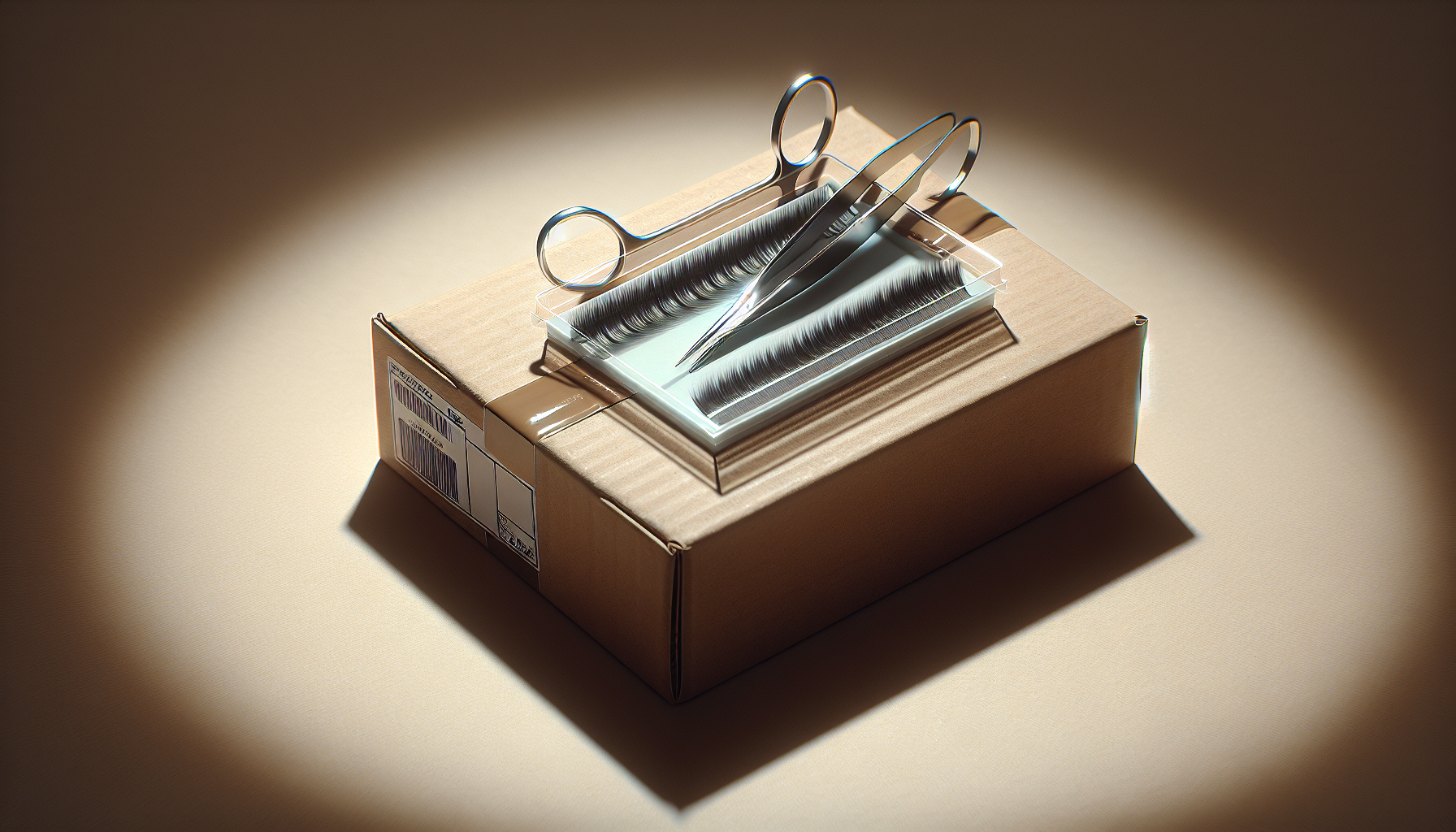
What is ISF and why it matters to you?
ISF stands for Importer Security Filing. It is a set of data you must send to U.S. Customs and Border Protection (CBP) for most ocean shipments coming to the United States. ISF is used to help make shipping safe and let customs plan inspections. If you import eyelashes or tools in a container that travels by ocean to U.S. ports, ISF will likely apply.
Why it matters to you:
- It helps your shipment move through customs faster.
- If you forget ISF or file it late, your shipment can be held, fined, or delayed.
- Proper ISF keeps you from paying extra fees and makes customs happy.
This article includes a clear, step-by-step process. It also gives you tips for tricky situations and explains what each ISF data point is, in a way you can understand.
Who must file ISF?
You or someone you choose must file ISF for ocean shipments entering the United States. Usually, the importer of record or a customs broker will file ISF. You can also hire a filer to do this for you.
A helpful example: If you buy eyelashes from a factory overseas and the shipment goes by sea to the U.S., you are usually responsible for the ISF unless your contract says the seller or a freight forwarder will file it. If the carrier or forwarder files ISF, make sure they do it right and on time.
Note: If your eyelashes arrive by air, courier, or mail, ISF is not used. Those types of shipments have other customs rules and forms.
Basic ISF definitions you should know
You will see these words a lot when people talk about ISF. Here they are in simple terms:
- Importer of Record: The person or company that is responsible for the goods when they enter the U.S.
- Consignee: The person or company the goods are being sent to.
- HTSUS (Harmonized Tariff Schedule of the U.S.): A number that tells customs what type of item you are importing so they can decide duties and rules.
- Manufacturer: The place or company that made the eyelashes or tools.
- Container stuffing location: Where the goods were put into the shipping container.
- Consolidator: If many small shipments are combined into one container, the consolidator is the company that does that.
- Filing deadline: For ocean shipments, ISF must be filed at least 24 hours before the goods are loaded onto the ship at the foreign port.
Is ISF required for eyelashes and tools?
Yes, ISF is generally required if your eyelashes and tools are shipped by ocean to the U.S. in containerized cargo. This includes false eyelashes, lash extensions, lash glue, applicators, tweezers, trays, and other related tools that are packed in a container on a vessel bound for a U.S. port.
When ISF might not be required:
- If the shipment arrives by air, express carrier, or mail (different rules apply).
- If the goods are bulk non-containerized cargo (rare for eyelashes and small tools).
- If there is a special in-bond arrangement and customs guidance indicates no ISF is needed (ask a broker for these rare cases).
The 10 + 2 ISF elements — what you must collect
CBP asks for 10 data elements from the importer and 2 elements from the carrier. You need to gather the 10 importer elements for your eyelashes and tools. Here they are in simple form:
- Seller name
- Buyer name
- Importer of Record (you or your company)
- Consignee name and address
- Manufacturer (or supplier) name and address
- Ship-to name and address
- Country of origin of the goods
- HTSUS number for the product
- Container stuffing location (where the goods were packed into the container)
- Consolidator (if used)
The carrier provides two more things: vessel stow plan and container status messages. You do not have to give those — the shipping line sends them.
Make sure names and addresses are correct and match invoices and packing lists. Small mistakes can cause ISF rejections.
Step-by-step: How you file ISF for eyelashes and tools (start-to-finish)
This is what you will do from beginning to end.
Step 1 — Decide who files
- You can file ISF yourself, but most importers use a customs broker, a freight forwarder, or an ISF service to avoid mistakes.
- If you hire someone, give them clear documents and tell them exactly what you import.
Step 2 — Gather your documents and data
- Commercial invoice
- Packing list
- Purchase order or contract
- Manufacturer details
- HTSUS numbers for the eyelashes and tools
- Container stuffing location and consolidator if applicable
Step 3 — Classify your products with HTSUS codes
- Find the right HTS number for your eyelashes, glue, and tools. These codes tell CBP what the product is.
- Use reliable sources or ask your broker for help. Wrong codes can cause delays or penalties.
Step 4 — File ISF at the right time
- File at least 24 hours before the cargo is loaded onto the vessel in the foreign port.
- If you miss the deadline, the carrier may refuse to load the goods, or CBP may hold the container at the U.S. port.
Step 5 — Monitor the ISF filing
- The filing can be accepted, rejected, or need correction. Check status.
- If rejected, correct the data quickly and refile.
Step 6 — Arrival and customs clearance
- Once the ship arrives and your paperwork is in order, customs inspects or releases the goods.
- If your ISF was correct, this is usually smoother.
Step 7 — Keep records
- Keep all documents for at least five years. CBP may audit your filings.
Common mistakes and how you avoid them
You can prevent problems if you know what mistakes others make.
- Wrong or missing HTS codes: Work with a broker or research the codes carefully.
- Missing manufacturer or consolidator details: Ask your supplier for the full legal names and addresses.
- Late filing: Calendar the 24-hour rule. If the loading time changes, update the filing.
- Using incorrect buyer or consignee names: Use the full legal name of your business or the importer of record.
- Not tracking container changes: If containers change numbers or are re-stuffed, update the ISF.
Edge cases and tricky situations you should know about
This section answers special questions that make people worry.
- Split shipments: If part of your order is in a container and another part is in the next vessel, each set of goods may need its own ISF. Track each container.
- Drop-shipping to customers in the U.S.: If the foreign seller ships directly to your U.S. customer, you may still be the importer of record and need to file ISF if the goods travel by ocean.
- Returns to the supplier: Returned goods can be tricky. If goods leave the U.S. and then come back by sea, you may need ISF when they re-enter.
- Samples or low-value shipments in a container: If samples are part of a container, include them in the ISF. If they come by courier, ISF may not apply.
- E-commerce and fulfillment centers (like FBA): If your goods are sent to a U.S. fulfillment center from overseas by ocean, you must usually file ISF. Confirm who is the importer of record and who will file.
Product rules and safety: eyelashes, adhesives, and other tools
ISF is about security data for the vessel, but customs and other agencies also check product safety and labeling. When you import eyelash products:
- Cosmetics rules: False eyelashes and cosmetic adhesives are often regulated by the U.S. Food and Drug Administration (FDA). Make sure ingredients and labels meet FDA rules. Keep records of product formulations and ingredient lists.
- Chemicals and adhesives: Some adhesives include chemicals that may be regulated. Check if any chemical in the glue needs special paperwork or warnings.
- Safety and consumer protection: Use proper labeling, testing, and packaging. If your products fail safety checks, CBP can detain them.
- Country-specific bans or restricted ingredients: Some countries ban certain substances. Make sure the product complies with U.S. rules.
Ask a customs broker or regulatory specialist if you are unsure about the product rules.
Penalties and consequences for not filing ISF correctly
If you do not file ISF or file it late, you can face:
- Monetary penalties: CBP can issue fines per violation. The fines can be serious and depend on the case.
- Container holds: CBP can hold your container at the port until you fix the problem.
- Denied entry or seizure: Items can be seized if they fail safety checks or if documents are severely wrong.
- Delays and extra costs: Storage, demurrage, and other fees can rise quickly.
To avoid these, file on time and keep accurate records.
Who can do the filing for you?
You have options for who files the ISF.
- You (the importer) can file directly.
- Customs brokers or licensed ISF filers can file for you.
- Freight forwarders often offer ISF filing services.
- Some companies branded as ISF services handle large volumes and give additional customs help.
If you need local help, there are firms like ISF Filer in California that provide ISF services and can guide you through product rules and deadlines. Use experienced help if you are new to importing eyelashes and tools.
(Keyword used once above: ISF Filer in California)
Fresh perspective and smart choices for small importers
Here are some friendly ideas that might save you time and money:
- Set a checklist: Create a simple checklist for every order. Include HTS codes, manufacturer name, and container stuffing location.
- Use the same supplier details: Ask your supplier to use consistent names and addresses on invoices to reduce rejections.
- Ask for early documents: Get invoices and packing lists well before loading. This helps you meet the 24-hour rule.
- Build a relationship with a broker: A good customs broker can prevent mistakes and answer product rule questions.
- Use technology: Many e-commerce tools and freight platforms help you collect ISF data automatically.
These steps help your business grow without surprises.
Example scenarios: clear cases you can follow
Case 1 — Big container of lashes and tweezers from China
- You buy 1,000 lash trays and tweezers.
- Shipment is in a 20’ container that leaves Shanghai for Los Angeles.
- You (or your broker) file ISF with the 10 importer elements 24 hours before loading.
- HTS codes for eyelashes and tools are included.
- Shipment arrives and clears faster because the ISF was correct.
Case 2 — Drop-ship small batches to U.S. customers
- Your supplier ships 50 pairs of lashes to several U.S. customers in the same container.
- You must make sure the ISF covers the container contents and your business or designated importer of record is listed correctly.
- If the shipper is the importer of record for direct shipments, confirm who files ISF.
Case 3 — Express shipments of glue and small tools
- Glue and small tools are sent via courier, not by sea.
- ISF is not required. Instead, the courier handles customs entries and you follow the courier’s instructions.
Tips for checking your ISF is correct
You can follow this quick list to be safer:
- Match invoice names to ISF names.
- Use valid HTS codes for each product.
- Confirm the container stuffing location with your supplier.
- Check that the manufacturer name is complete and accurate.
- File at least 24 hours before loading and track the vessel and container.
- Monitor ISF status and fix rejections immediately.
Recordkeeping and audits: what you must save
CBP may ask to see your documents. Keep these items for at least five years:
- Commercial invoices and packing lists
- ISF filings and confirmations
- Shipping contracts and bills of lading
- Correspondence with suppliers and shippers
- Product safety testing and ingredient lists
Good recordkeeping protects you if there is a question later.
Final checklist before the vessel sails
- Have you confirmed the product HTS codes?
- Do you have the manufacturer and consolidator names and addresses?
- Will your ISF be filed 24 hours before loading?
- Do you have a customs broker or ISF filer chosen?
- Are product safety tests and labels in place?
If you answer yes to these, you are ready.
When to ask for help
If any of these things happen, call a customs broker or legal expert:
- You get an ISF rejection you cannot fix.
- You are unsure about HTS codes or product classification.
- Your goods are detained for safety testing.
- You plan to import a new product or a large volume for the first time.
Closing notes: keep it simple and safe
In short, if your eyelashes and lash tools travel to the U.S. by ocean in a container, you usually must file an ISF. If they arrive by courier or mail, ISF is not the right form. Collect the 10 importer elements, file on time, and keep good records. Use a customs broker or service if you want help. Following the process will keep your goods moving and help your business grow.
You now have a complete, easy roadmap for handling ISF with eyelashes and tools. If you need help, contact a trusted customs partner who understands both the security rules and the product safety rules to keep your shipments smooth and safe.