How And When To File ISF For Chain Belts
Is filing an ISF for your chain belts creating more confusion than clarity for you? You’re not alone! Understanding the Importer Security Filing (ISF) can feel like navigating a maze, especially when you’re dealing with specific products like chain belts. Let’s break it down so that you can handle your filings with confidence and know exactly when you need to act.

What is an ISF?
At its core, the Importer Security Filing (ISF) is a document that importers must submit to U.S. Customs and Border Protection (CBP). This filing is intended to enhance security measures in the shipping industry and is a critical step before your goods arrive in the United States. You need to provide detailed information about your shipment—this helps customs assess any risks associated with your cargo.
In short, it’s a way to ensure that the U.S. has a real-time overview of incoming shipments, which, let’s be honest, is a pretty good idea in today’s global trade environment.
Why is the ISF Important for Chain Belts?
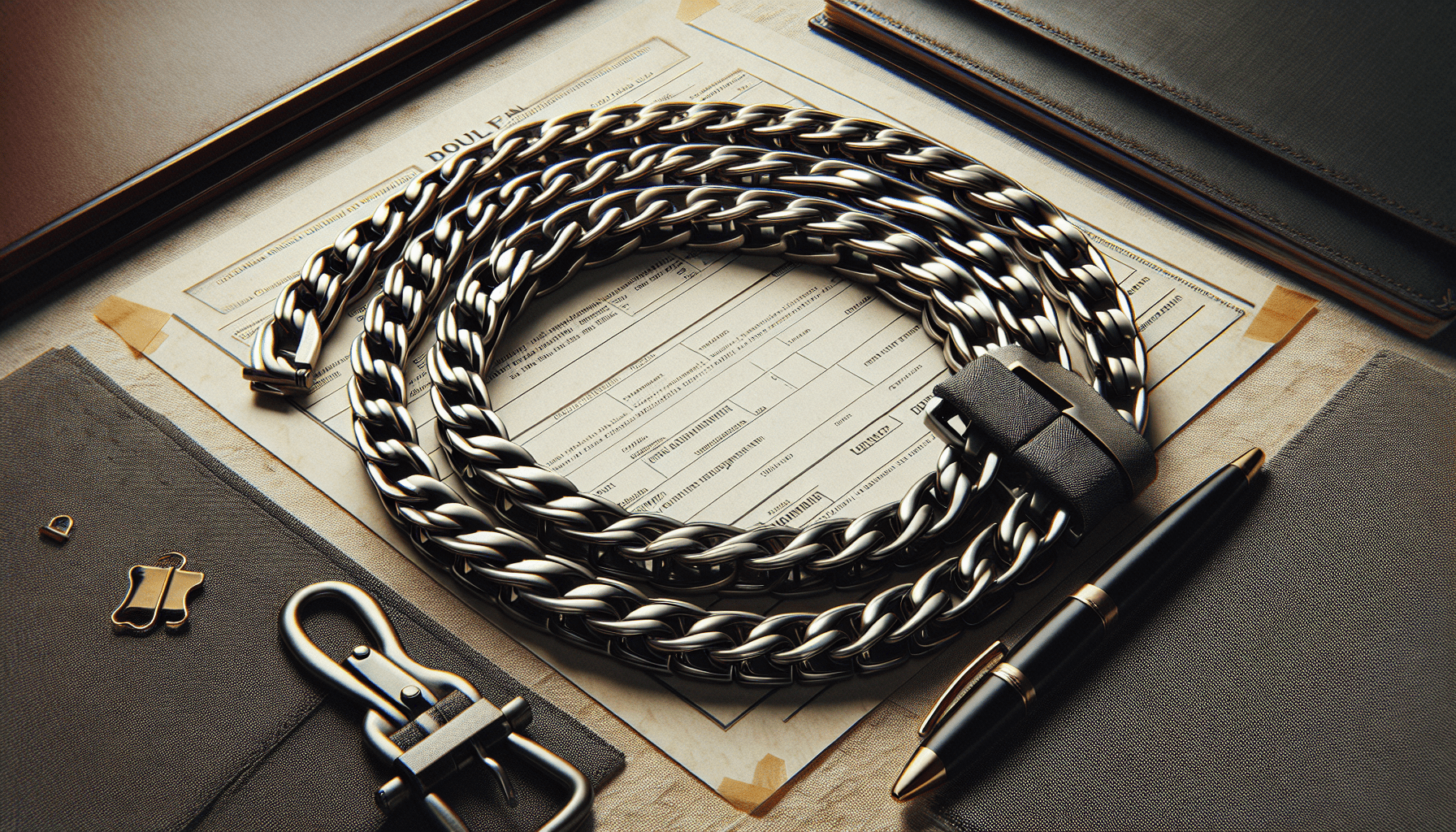
Chain belts, often made from materials such as metal, rubber, or synthetic fibers, are a niche product that falls under strict regulatory scrutiny. Filing your ISF accurately and on time for chain belts is essential because:
- Compliance: Ensuring that you follow regulations protects your business from potential fines or delays.
- Security: Accurate filings contribute to national security efforts by helping customs authorities identify potentially risky shipments.
- Smooth Import Process: A timely ISF leads to fewer inspections and a smoother clearance process for your goods when they arrive.
When you’re dealing with chain belts, taking the time to understand these factors can save you time and money down the road.
When Do You Need to File Your ISF?
Filing the ISF isn’t just about being compliant; it also follows a specific timeline that you must adhere to. You generally need to file your ISF at least 24 hours prior to your cargo being loaded onto a vessel destined for the U.S. This timeline is crucial, so let’s break it down further.
1. 24-Hour Rule
The 24-hour rule means you are required to submit your ISF to customs at least a full day before your cargo sets sail. This requirement is designed to give CBP ample time to review shipments and assess their risk level. If you miss this deadline, you may face penalties or your cargo could be delayed.
2. Exceptions to the 24-Hour Rule
In some cases, exceptions might apply. For example, if you are using a freight forwarder, they might have a different timeline in their process. It’s always a good idea to check in advance about what your specific provider’s policies are so that you fully understand any nuances that could affect your timeline.
How to File Your ISF for Chain Belts
Now that you know the importance and timing of the ISF, let’s go over how to file it, particularly for chain belts. It’s often daunting because it requires precise information, but don’t worry, we’ll make it easier to digest.
1. Gather Required Information
Before you even sit down to fill out the ISF, you’ll need certain information about your chain belts. Here’s a handy checklist:
| Information Needed | Description |
|---|---|
| Importer of Record | Your business or entity name |
| Consignee Name | The person or company receiving the items |
| Seller Name | The name of the manufacturer or supplier |
| Country of Origin | Where the chain belts are manufactured |
| HTSUS Number | The Harmonized Tariff Schedule code |
| Description of Goods | Clear description of the chain belts |
| Shipment Number | Unique identification for the shipment |
| Container Stuffing Location | Where the goods are loaded into containers |
Getting this information ready beforehand simplifies the filing process significantly.
2. Use the Right Filing Method
For chain belts, you have different filing options. Here are some of the most common methods:
Electronic Filing
Most businesses today opt for electronic filing through a customs broker or freight forwarder. This method is efficient and typically ensures that all data is collected accurately. If you are working with a broker, provide them with the gathered information, and they will take care of the rest.
Manual Filing
While less common, you can also file manually. This involves submitting a paper form directly to CBP. This method can be time-consuming and is generally not recommended unless you have no other options.
3. Submit the ISF
After you have all your information gathered and you know which method you’re using, it’s time to submit your ISF.
- If filing electronically, follow your broker’s or provider’s platform-specific guidelines.
- For manual submissions, ensure that you follow the required format and address to avoid any processing errors.
Consequences of Late or Incorrect Filings
Knowing what could go wrong if you don’t file your ISF correctly is just as important as understanding how to do it.
1. Penalties
Filing your ISF late or incorrectly could lead to significant penalties. The penalties start from as little as $500 and can go up to $5,000 for serious violations. Additionally, repeat offenders may face increased scrutiny from CBP.
2. Delays in Shipment
If you don’t file accurately, it could result in your shipment being delayed at customs. Nobody wants their products sitting in limbo, especially when chain belts may have specific time-sensitive uses in various industries, such as manufacturing and transportation.
3. Legal Implications
Repeated late filings, or filing with incorrect information, can also lead to legal repercussions. It’s not worth the risk when you can simply follow the rules to stay compliant.
What if You Need to Amend Your ISF?
We all make mistakes, and if you realize that you’ve submitted an incorrect ISF, don’t panic. You do have the opportunity to amend your ISF filing, but timing is crucial.
Steps for Amending Your ISF:
-
Identify the Error: Determine what information was incorrect or needs updating.
-
Contact Your Broker: If you filed electronically, the quickest way to correct your ISF is usually through your customs broker. They can file an amendment for you.
-
File an Amendment: Depending on the method you used to file your original ISF, you’ll need to follow the same process for the amendment.
Timing for Amendments
Be aware that any amendments should ideally be made before the cargo reaches U.S. shores. Making changes once cargo is in transit can complicate the process and create potential delays or penalties.
Common Questions about ISF for Chain Belts
It’s only natural to have questions about this process, especially if you’re new to it. Here are a few common ones:
1. What is required for an ISF filing?
For chain belts, you generally need complete shipment details, including importer and manufacturer information, HTSUS codes, and a precise description of the goods.
2. Can I use a freight forwarder to file my ISF?
Absolutely! Many businesses rely on freight forwarders who can manage the ISF filing process on your behalf, ensuring compliance with CBP regulations.
3. What happens if I miss the 24-hour deadline?
If you miss the deadline, you risk incurring penalties and delays in the processing of your shipment. It’s best to file as soon as you have your information ready.
4. Is there a cost associated with filing an ISF?
While filing the ISF itself with CBP doesn’t come with a direct filing fee, working with a customs broker or freight forwarder often includes service fees that vary based on the provider and complexity of your submission.
Conclusion
So, as you can see, navigating ISF filings for chain belts doesn’t have to be overwhelming. Understanding what’s required and when to act can make the entire process smoother, allowing you to focus on what really matters: your business.
Remember to gather all necessary information, follow the timelines closely, and maintain communication with your customs broker. By doing this, you’ll not only comply with the regulations but will also streamline your import process for chain belts.
Filing ISF may seem daunting, but with some preparation and knowledge, you can clear those hurdles and keep your shipments moving smoothly into the U.S.